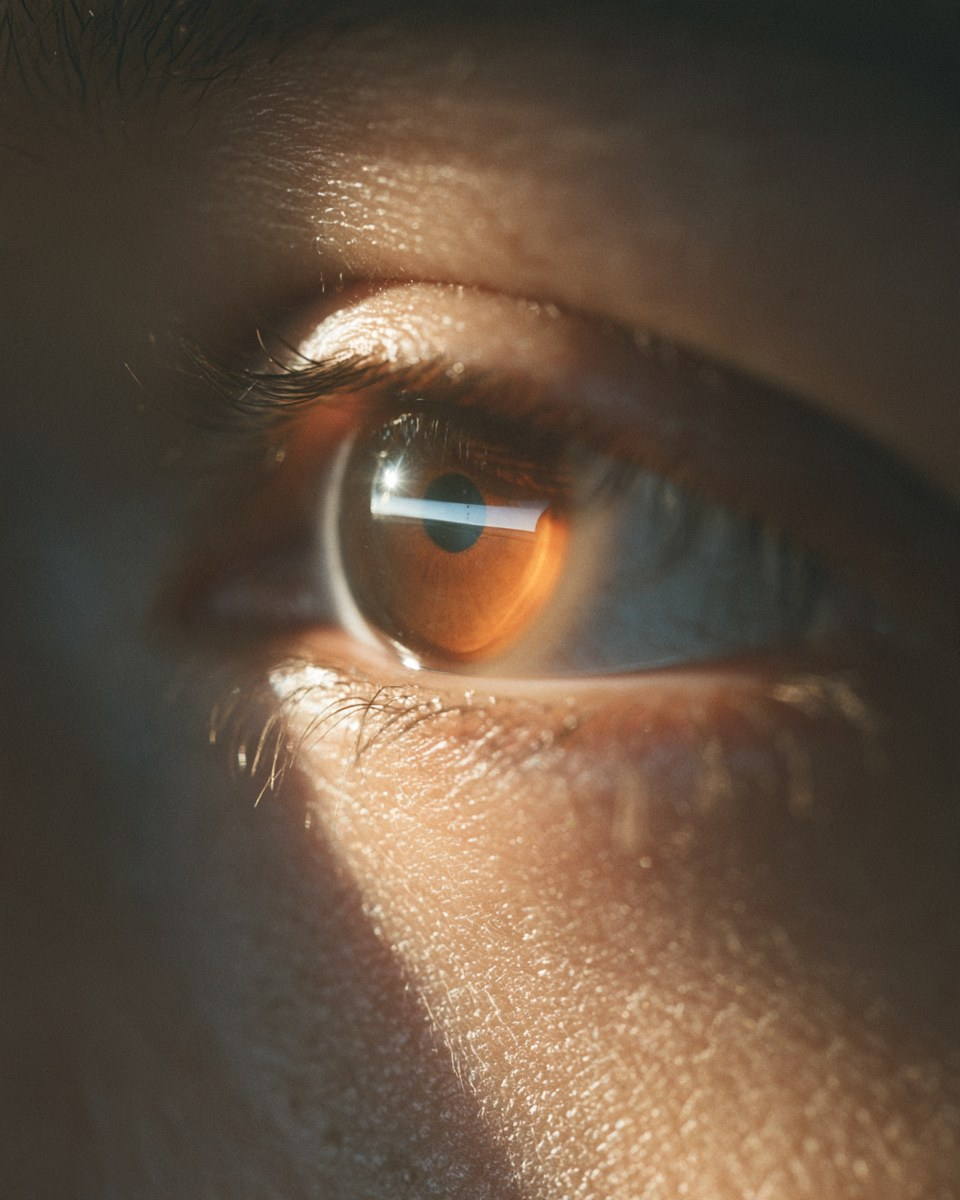
Hinfact Sense · Human performance sensing
Add thehuman signal.
Gaze, voice and fatigue, measured in the simulator. Objective human signals, studied with the same rigour as the machine.
The challenge
The machine is measured.The person, much less.
Instructorobservation.
Expert and essential, but limited to what one person can see at once, in a busy session.
Questionnaires,afterwards.
They capture how the session felt, not what happened second by second.
Laboratoryequipment.
Precise, but worn, wired and hard to deploy outside research.
Flight data,alone.
It shows what the aircraft did. Not where the crew looked, or what they said.
With Hinfact
Objective signals,where it happens.
Hinfact Sense brings them into the simulator, with the same rigour as the data of the machine.
In the simulator
Built into the cockpit.Invisible to the crew.
Nothing to wear for the crew, and the session runs as usual. A typical setup uses four cameras per pilot.
- 01
Infrared cameras
Track each pilot’s gaze and pupils, whatever the cockpit lighting.
- 02
Infrared illuminators
Light the scene for the cameras without disturbing the crew.
- 03
Compact, fanless computer
Processes the signals on site, in real time, in silence.
What it measures
One raw signal.Three human traces.
- 01
Capture the raw signal
Cameras and microphones record the crew, synchronised with the simulator’s flight data.
- 02
Separate gaze, voice and fatigue
Each pilot’s gaze is mapped to the instrument it lands on; callouts are placed on the timeline; signs of fatigue are tracked.
- 03
Detect what matters, live
When a trace crosses a threshold, the event is marked, in real time.
Illustrative signal
From signal to competency
From raw datato the grading sheet.
- 01
Detected events
Facts found in the combined data: a check skipped, a callout missed, a scan that stopped.
- 02
Observable behaviours
Each event is matched to the observable behaviours of your competency framework, technical and non-technical.
- 03
Competencies
Behaviours roll up into the competencies the instructor grades, as objective evidence for the debrief.
Illustrative data
Example
A take-off,checked step by step.
- 01
Five steps, two pilots
Pilot flying and pilot monitoring each have their own checks in the procedure.
- 02
One signal for each step
A callout is confirmed by the voice, a thrust setting by the flight data, a check by where the pilot actually looked.
- 03
What’s missing stands out
A step with no signal is flagged for the debrief, as a fact rather than an impression.
Our principle
We observe performance to support people. Never to sanction them.
Sense measures what a crew does, never what they think or feel. Every signal serves the debrief, the instructor’s judgement and the pilot’s own progress.
The instructor keeps the decision. Sense shows, suggests and flags; it never grades in the instructor’s place.
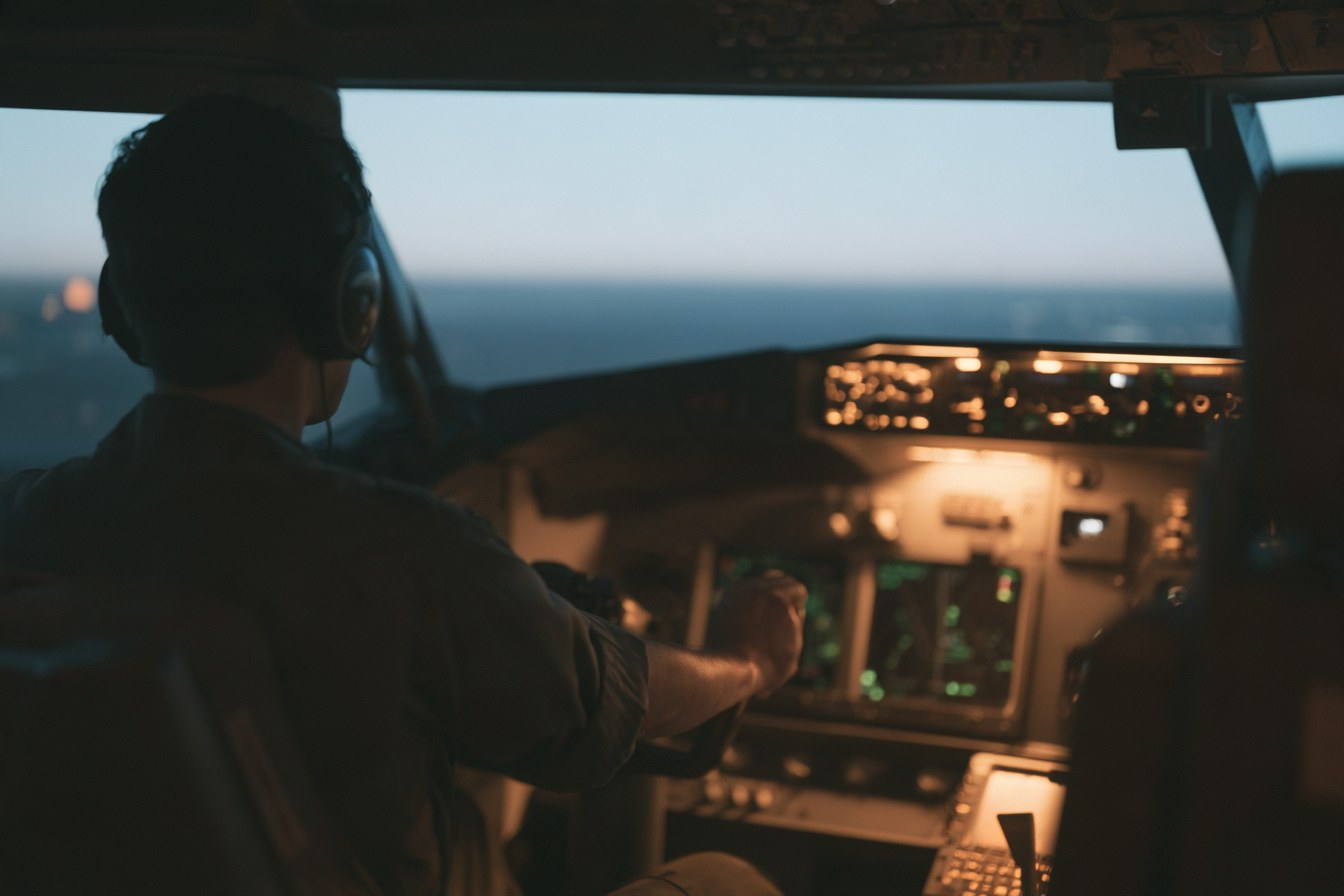
Born from research
25 years ofneuroergonomics.
Sense comes out of the neuroergonomics laboratory of ISAE-SUPAERO, where our co-founders have spent more than 25 years studying how pilots perceive, decide and act.
The same rigour now runs in the simulator. Our story →
Who it’s for
Objective data,where it changes things.
Today, Sense works with flight crews in the simulator.
Training departments
A debrief built on facts, not only impressions.A fairer assessment, and training that adapts to what each pilot really needs.PilotsInstructors
Manufacturers & research
Human factors studies in realistic conditions.Objective data integrated into your simulation environment.
Defence
Human performance in demanding environments.A solution designed and operated in France.ArmyNavyAir Force
Even better together
The evidence landsin the training record.
Connected to Hinfact Training, the objective data from Sense flows into the instructor’s grading and each pilot’s record, to support enhanced EBT.
Discover Hinfact Training →
Add the human signalto your training.
Let’s look at your simulators, your programmes and what objective data could change in your debriefs.